

Tired of brushing away white flakes every time you wear your favorite black shirt? Wondering how to get rid of dandruff without relying on harsh treatments that never seem to last? You’re not alone, and the good news is that a healthier, more comfortable scalp is often easier to achieve than you might think.
This guide shares 21 practical, natural ideas that can help reduce flakes, calm irritation, and improve your overall scalp health using simple habits you can start today. From gentle cleansing routines and nourishing oils to scalp-friendly nutrition and everyday lifestyle changes, each tip is designed to be realistic, beginner-friendly, and easy to fit into your routine.
In my experience, lasting results rarely come from a single miracle product. I’ve noticed that small, consistent changes often make the biggest difference over time. Whether your dandruff appears during dry weather, after heavy product use, or because of an irritated scalp, these proven ideas work together to create healthier conditions for your hair. Save your favorite tips, try them one by one, and discover a routine that leaves your scalp feeling cleaner, calmer, and more confident every day.
Tea Tree Shampoo
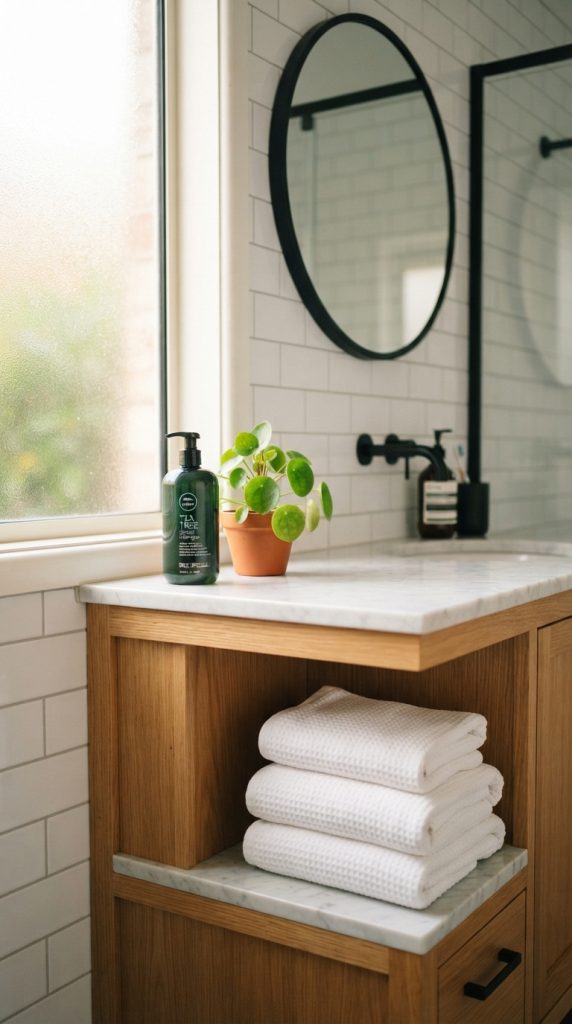
A healthy scalp can completely change the way your hair looks and feels, making tea tree shampoo one of the simplest places to start. Many people searching for how to get rid of dandruff overlook the importance of cleansing away excess oil while calming irritation at the same time. Tea tree oil is known for its refreshing properties, helping reduce visible flakes without leaving hair feeling heavy. When used consistently, this gentle dandruff remedy supports a cleaner scalp, fresher roots, and hair that feels lighter after every wash.
Choose a shampoo with a moderate amount of tea tree oil instead of harsh cleansers that can strip away natural moisture. Massage it into your scalp for several minutes before rinsing so the active ingredients have time to work effectively. In my experience, this small habit makes a noticeable difference after several washes, especially for people with mild or recurring dandruff. Healthy cleansing also prepares the scalp for other nourishing treatments that encourage long-term dandruff removal while improving overall hair comfort.
For even better results, avoid washing with very hot water because excessive heat may leave the scalp feeling dry and irritated. Lukewarm water helps preserve moisture while allowing the shampoo to clean thoroughly without unnecessary stress. Pair this routine with nourishing hair habits like those shared in our guide to hair growth at https://techtipsguide.com/hair-growth-tips/ to support healthier strands from root to tip. A balanced routine creates a scalp that feels comfortable, looks cleaner, and stays fresher between washes.
Scalp Massage

Giving your scalp a few relaxing minutes every day can encourage healthier skin while helping loosen dry flakes before they become more noticeable. Gentle massage stimulates circulation and spreads natural oils across the scalp, creating a healthier environment for stronger hair. Instead of scratching itchy areas, use your fingertips with slow circular motions to soothe irritation. This simple habit supports gradual dandruff removal and leaves the scalp feeling refreshed without causing unnecessary irritation or damage.
Use light pressure rather than pressing aggressively because harsh rubbing may increase redness or sensitivity. Many people enjoy adding a few drops of nourishing scalp oil before the massage to create extra slip and hydration. I’ve noticed that consistent massages often improve comfort while making other dandruff remedy products absorb more evenly. Even five relaxing minutes each evening can become an enjoyable self-care ritual that supports healthier-looking hair over time.
Consistency matters more than intensity, so focus on building the habit instead of expecting overnight results. Pair scalp massage with regular brushing and balanced washing intervals to maintain a healthier scalp environment throughout the week. As flakes gradually decrease, many people also notice shinier roots and softer hair texture. Small daily improvements often create lasting changes that are easier to maintain than relying only on occasional intensive treatments.
Coconut Oil Treatment
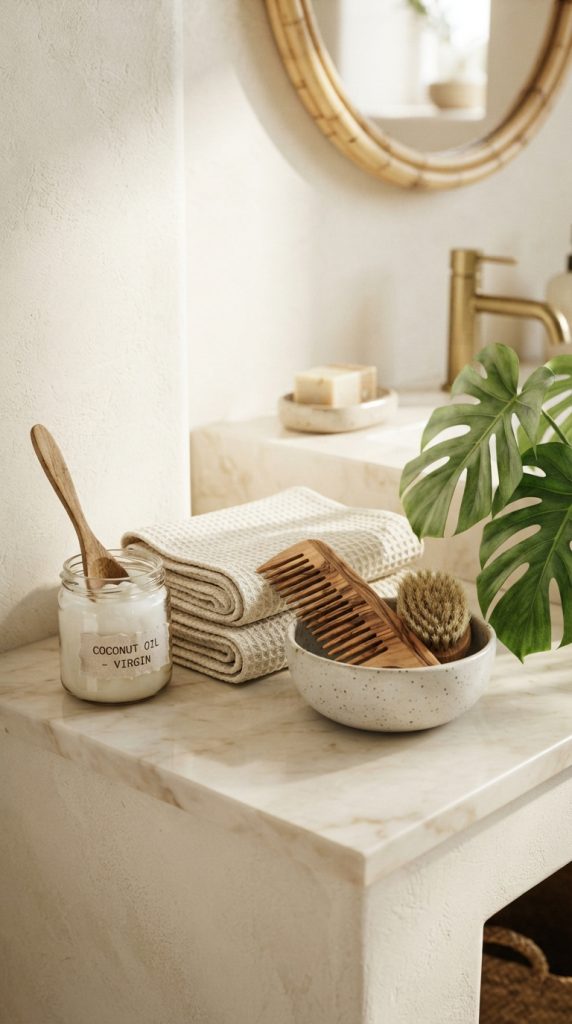
Dryness often makes flakes more visible, which is why coconut oil remains a favorite natural treatment for restoring comfort. Rich in moisturizing fatty acids, it helps soften dry patches while improving the scalp’s protective barrier. Applying a small amount before washing allows the oil to nourish stressed skin without leaving excessive residue behind. This approach works especially well for people dealing with seasonal dryness alongside persistent dandruff, creating a smoother and healthier scalp surface.
Warm a small amount of virgin coconut oil between your palms before gently working it into the scalp with slow circular motions. Let it sit for thirty to sixty minutes before shampooing thoroughly with a gentle cleanser. In my experience, leaving the treatment overnight is not always necessary because shorter sessions often provide enough moisture without making fine hair feel weighed down. Regular use supports healthier roots while complementing other natural scalp care practices.
Balance is important because applying too much oil can make hair difficult to cleanse completely. Start with a small amount, adjust based on your hair type, and always rinse thoroughly afterward. Over time, many people notice reduced tightness, fewer visible flakes, and softer hair that feels healthier from root to end. Creating a simple, repeatable routine is often more effective than constantly switching between different treatments.
Apple Cider Rinse
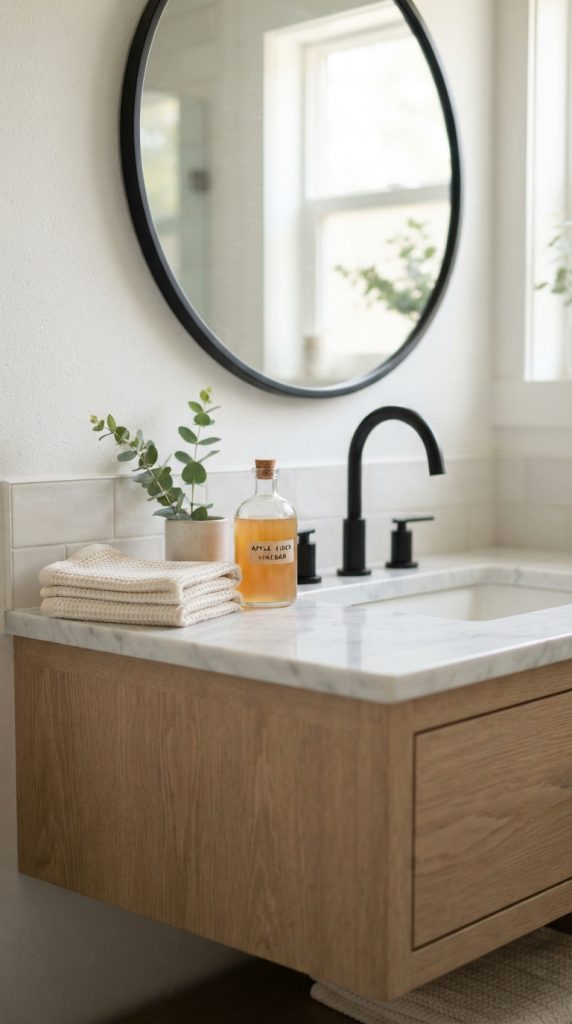
A simple apple cider rinse can refresh the scalp while helping reduce buildup that often makes flakes more noticeable. Its natural acidity may help rebalance the scalp after styling products or excess oil accumulate over time. Many people use this method as a gentle dandruff remedy because it leaves hair feeling cleaner without adding heavy residue. When combined with a consistent washing routine, the scalp often feels lighter, fresher, and more comfortable after each rinse.
Always dilute apple cider vinegar with water before applying it because using it at full strength may irritate sensitive skin. Pour the mixture over your scalp after shampooing, leave it on for two or three minutes, then rinse thoroughly with cool water. I’ve noticed that using this treatment once a week is usually enough for most people, allowing the scalp to stay balanced without becoming overly dry. Gentle consistency delivers better results than frequent, aggressive treatments.
Healthy scalp care also includes limiting heavy styling products that can quickly build up around the roots. If you regularly use hairspray or dry shampoo, clarify your hair occasionally to prevent flakes from becoming trapped beneath residue. Small maintenance habits like these support lasting dandruff removal while helping hair look cleaner, softer, and naturally shinier. A balanced routine is easier to maintain than relying on one treatment alone.
Aloe Vera Gel
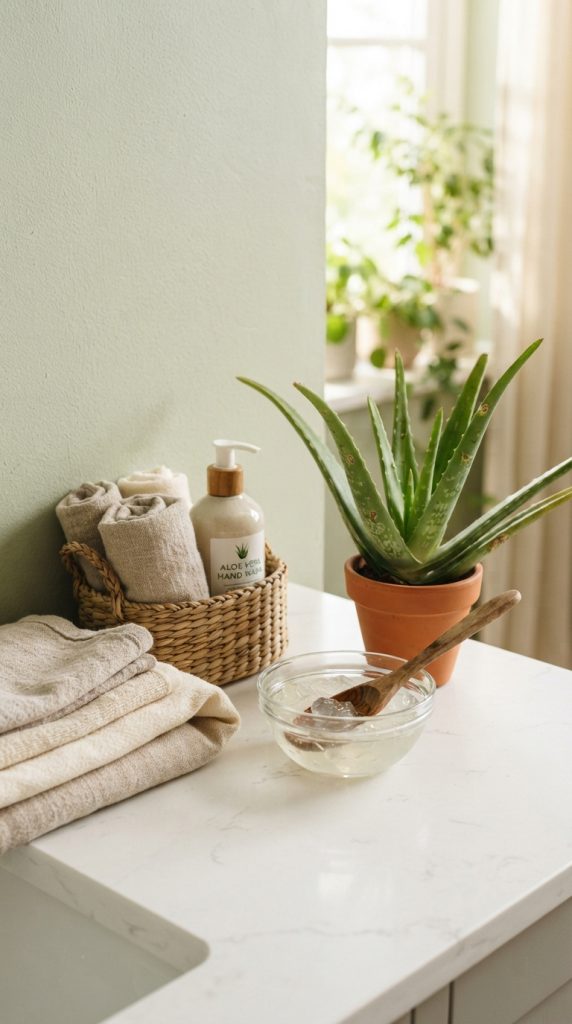
When your scalp feels itchy and irritated, aloe vera gel offers a naturally cooling option that many people find comforting. Its lightweight texture hydrates without leaving greasy residue, making it suitable for many hair types. Fresh or pure aloe gel can calm visible dryness while supporting healthier scalp conditions over time. This gentle approach helps reduce discomfort while complementing other habits that encourage fewer flakes and stronger, healthier-looking hair.
Apply a thin layer of pure aloe vera gel directly to the scalp using clean fingertips, focusing on the driest or most irritated areas. Allow it to sit for about twenty minutes before rinsing with lukewarm water and following with a mild shampoo if needed. In my experience, this treatment feels especially refreshing during warm weather when the scalp tends to become sweaty, sensitive, or uncomfortable throughout the day.
Pair aloe treatments with regular hydration and a balanced diet because healthy skin often reflects overall wellness. Drinking enough water and eating nutrient-rich foods can support your scalp from within while topical care protects the surface. Over time, this combination helps minimize recurring dandruff and creates an environment where hair can look healthier, smoother, and easier to manage every day.
Balanced Hair Washing
Finding the right washing schedule is one of the most overlooked parts of scalp care. Washing too often can strip away protective oils, while waiting too long allows oil, sweat, and product residue to collect around the roots. Instead of following trends, pay attention to your hair type and daily routine. This balanced approach supports a healthier scalp and reduces the conditions that often contribute to recurring flakes and irritation.
Fine or oily hair may benefit from more frequent cleansing, while thicker or curlier hair often stays healthier with fewer washes each week. Choose a gentle shampoo designed for scalp comfort rather than harsh formulas filled with unnecessary fragrances. That’s why many hair specialists recommend adjusting your routine based on how your scalp feels instead of following a fixed schedule that may not suit your individual needs.
If you’re building healthier hair habits beyond scalp care, explore our guide on Hair Growth Tips for additional routines that support stronger, fuller strands: https://techtipsguide.com/hair-growth-tips/. A thoughtful washing routine not only helps control flakes but also improves shine, softness, and overall hair health. Small adjustments today can lead to noticeable improvements that last for weeks rather than days.
Rosemary Oil
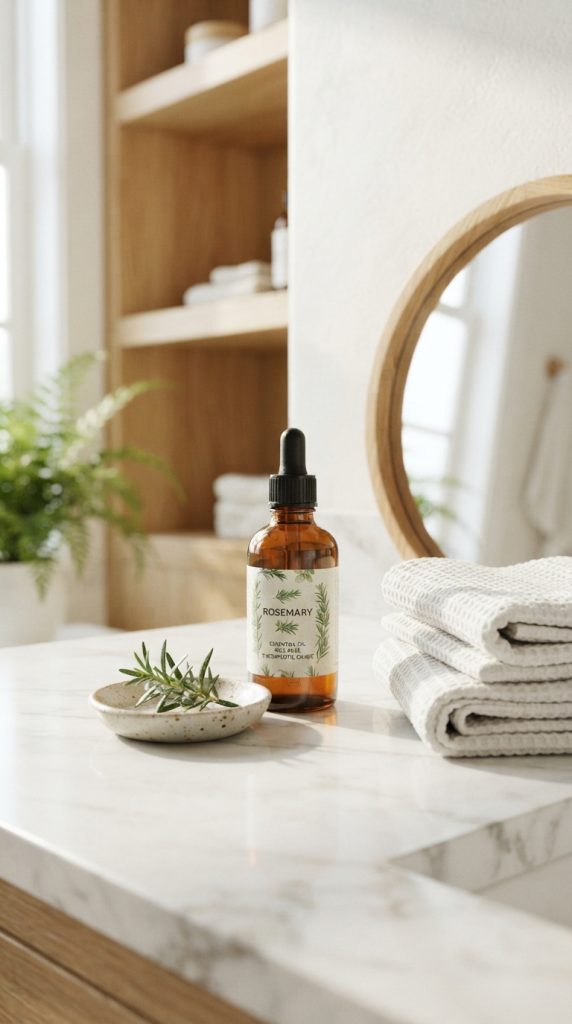
Healthy hair often begins with a balanced scalp, making rosemary oil a popular addition to many natural care routines. While people usually associate it with hair growth, it may also help maintain a healthier scalp environment when used correctly. A few diluted drops can soothe dryness and support long-term scalp comfort without feeling overly heavy. This gentle approach works well alongside other dandruff remedy methods, especially when your goal is building a consistent routine rather than expecting overnight results.
Always dilute rosemary essential oil with a carrier oil such as jojoba or coconut oil before applying it directly to your scalp. Massage the mixture gently into the roots for several minutes, then leave it on for thirty minutes before washing with a mild shampoo. In my experience, using this treatment once or twice each week provides noticeable comfort without leaving excess oil behind. Consistency makes a greater difference than applying large amounts all at once.
Before using any essential oil, perform a small patch test to check for skin sensitivity. If irritation develops, discontinue use and choose a gentler option better suited to your scalp. Combined with proper cleansing, hydration, and balanced nutrition, rosemary oil may help reduce visible flakes while encouraging healthier-looking hair. Simple habits repeated consistently often produce the most satisfying long-term improvements.
Omega-Rich Foods

Healthy hair care starts inside the body as much as it does in the shower. Foods rich in omega-3 fatty acids help support skin hydration, including the scalp, which may reduce dryness linked to recurring flakes. Instead of relying only on topical products, nourishing your body creates a stronger foundation for lasting scalp health. Many people notice that balanced eating complements natural dandruff removal efforts while also improving overall hair texture and shine.
Include foods such as salmon, sardines, walnuts, flaxseeds, chia seeds, and avocados throughout your weekly meals. These nutrient-rich choices provide healthy fats that support the scalp’s natural protective barrier. I’ve seen this work well alongside gentle scalp treatments because internal nutrition often enhances the visible benefits of external care. Small dietary improvements can become powerful habits that benefit both your hair and overall wellness.
A varied diet filled with vitamins, minerals, lean protein, and healthy fats creates conditions where the scalp can function more effectively. While food alone may not eliminate flakes, it supports many natural repair processes that contribute to healthier skin. Combined with proper hydration and consistent hair care, nutrient-rich meals can help your scalp remain balanced and comfortable throughout every season.
Cool Water Rinse
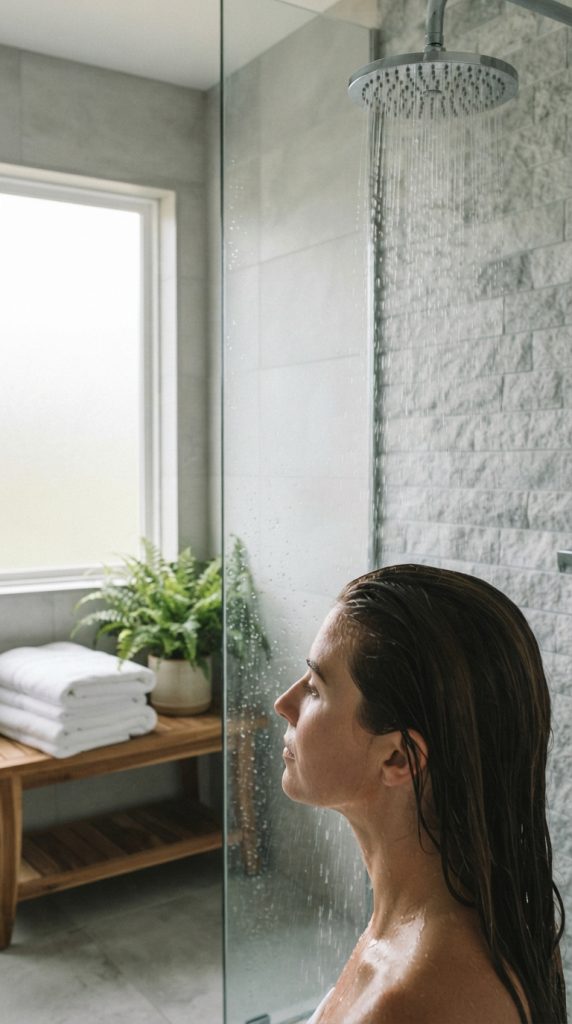
Finishing your wash with cool water is a simple habit that may help your scalp feel calmer after cleansing. Hot water can remove too much natural moisture, leaving sensitive skin feeling tight and dry. A cool rinse helps refresh the scalp while smoothing the hair cuticle, making strands appear shinier and softer. This easy finishing step fits naturally into almost any routine and supports healthier hair without adding extra products.
Use lukewarm water while shampooing to cleanse effectively, then switch to cool water for the final rinse. The temperature change takes only a few seconds but may leave your scalp feeling noticeably fresher afterward. In my experience, this habit also helps reduce post-shower dryness, especially during colder months when indoor heating can make the scalp more sensitive and prone to irritation.
If you’re wondering how to get rid of dandruff, remember that lasting improvement usually comes from combining several gentle habits instead of relying on one quick solution. A cool rinse, balanced cleansing, proper nutrition, and moisturizing treatments all work together to support scalp health. Building a routine you can maintain every week often delivers better long-term results than constantly trying new products.
Gentle Exfoliation

Flakes often become more noticeable when dead skin cells and styling residue remain on the scalp for too long. Gentle exfoliation helps lift away this buildup without damaging healthy skin underneath. Unlike aggressive scrubbing, a mild scalp exfoliator refreshes the surface while creating a cleaner environment for shampoos and nourishing treatments to work more effectively. Regular care leaves the roots feeling lighter, the scalp looking healthier, and hair appearing naturally fresher after every wash.
Choose a scalp scrub made with fine exfoliating particles or mild chemical exfoliants designed specifically for hair care. Massage it lightly using your fingertips for one or two minutes before rinsing thoroughly with lukewarm water. I’ve noticed that exfoliating once every week or two is enough for most people, especially when combined with a gentle cleansing routine. Overdoing this step can irritate sensitive skin instead of improving overall scalp comfort.
After exfoliating, follow with a moisturizing conditioner or soothing scalp treatment to restore hydration. This balanced routine helps reduce visible dandruff while preventing excessive dryness that can encourage new flakes. Healthy scalp maintenance is all about gentle consistency rather than harsh treatments. Small improvements made regularly often create a cleaner, more comfortable foundation for stronger, shinier hair.
Hydrating Conditioner
Many people focus only on shampoo while forgetting that proper hydration plays an important role in scalp comfort. A lightweight, nourishing conditioner helps replenish moisture after cleansing without making the roots feel greasy. Choosing the right formula keeps hair soft while supporting a healthier scalp environment. Balanced hydration can reduce dryness that often contributes to flakes, making your overall routine more effective and easier to maintain throughout the year.
Apply conditioner mainly through the mid-lengths and ends, but if the product is labeled scalp-friendly, a small amount can also soothe dry areas near the roots. Leave it on for several minutes before rinsing thoroughly with cool water. In my experience, lightweight formulas work especially well because they moisturize effectively without creating heavy buildup that may make hair feel flat or oily.
Pair your conditioning routine with healthy styling habits, including limiting excessive heat and avoiding overly harsh hair products. If you’re also working toward stronger, healthier strands, explore our guide on Hair Growth Tips at https://techtipsguide.com/hair-growth-tips/. Combining hydration with gentle daily care creates smoother hair, improved shine, and a scalp that feels noticeably more comfortable over time.
Stress Management

Daily stress affects far more than your mood—it can also influence the condition of your scalp. During stressful periods, many people notice increased itching, dryness, or more visible flakes. While stress may not directly cause scalp problems, it can make existing symptoms feel worse. Creating simple relaxation habits supports overall wellness and complements every natural dandruff remedy you include in your routine, making long-term improvement easier to achieve.
Relaxation does not need to be complicated. A short evening walk, gentle stretching, meditation, deep breathing, or even reading for fifteen minutes can help reduce daily tension. I’ve seen this work well for people who struggle with recurring scalp discomfort during busy seasons. Better sleep and lower stress levels often encourage healthier skin, including the scalp, while improving your overall sense of well-being.
Think of stress management as another part of your complete hair care routine rather than something separate. When your body feels balanced, your scalp often responds more positively to healthy cleansing, moisturizing, and nourishing treatments. Simple daily habits, practiced consistently, support long-lasting scalp comfort while helping your hair look healthier, shinier, and easier to manage.
Scalp Hydration
A dry scalp often feels tight, itchy, and uncomfortable, making flakes appear even more noticeable throughout the day. Keeping the scalp properly hydrated helps strengthen its natural barrier while reducing irritation caused by dryness. Instead of applying heavy products, choose lightweight moisturizing treatments created specifically for scalp care. These formulas absorb quickly, leaving the roots refreshed without creating greasy buildup. A hydrated scalp also creates a healthier foundation for stronger, shinier hair that looks naturally vibrant.
Look for hydrating ingredients such as hyaluronic acid, glycerin, aloe vera, or panthenol in scalp serums and leave-in treatments. Apply a small amount directly to clean roots, gently massaging it into the skin until absorbed. In my experience, lightweight hydration works especially well after shampooing because the scalp readily absorbs moisture while still feeling fresh. Consistent use can gradually improve comfort and reduce dryness that often contributes to recurring flakes.
Remember that hydration comes from both your products and your daily habits. Drinking enough water, avoiding excessive heat styling, and protecting your scalp from harsh weather all contribute to healthier skin. Combined with gentle cleansing and balanced nutrition, proper hydration supports gradual dandruff removal while helping hair remain soft, smooth, and easier to style every day.
Silk Pillowcase

Small nighttime changes can make a surprising difference in your overall hair care routine. A silk pillowcase creates less friction than traditional cotton, helping reduce unnecessary rubbing against your scalp and hair while you sleep. Less friction means fewer tangles, smoother strands, and a more comfortable scalp by morning. Although it is not a direct treatment for flakes, it supports healthier hair habits that complement other natural scalp care practices.
Silk also absorbs less moisture than many cotton fabrics, allowing your scalp and hair to retain more natural hydration overnight. I’ve noticed that people with sensitive scalps often appreciate this simple upgrade because their hair feels softer and easier to manage each morning. Pairing a silk pillowcase with gentle cleansing routines creates a comfortable environment that supports healthier-looking hair over time.
Good sleep habits benefit your scalp just as much as quality hair products. Clean bedding, regular pillowcase washing, and a relaxing bedtime routine help minimize oil, sweat, and product buildup that can transfer back onto your hair. Together, these small improvements support a cleaner scalp while enhancing the effectiveness of every dandruff remedy included in your routine.
Scalp-Friendly Diet

What you eat every day can influence how healthy your scalp feels over time. A balanced diet rich in vitamins, minerals, protein, and antioxidants supports normal skin renewal while encouraging healthier hair growth. Foods containing zinc, biotin, vitamin D, and B vitamins may help maintain scalp balance when combined with consistent hair care. Nourishing your body from within often complements topical treatments more effectively than relying on products alone.
Try adding eggs, spinach, berries, Greek yogurt, pumpkin seeds, lean proteins, and colorful vegetables to your weekly meal plan. These foods provide nutrients that contribute to healthy skin and hair while supporting your body’s natural repair processes. In my experience, gradual dietary improvements often produce more sustainable results than restrictive eating plans that are difficult to maintain over the long term.
If you’re looking for how to get rid of dandruff, remember that healthy habits work best together rather than separately. Nutritious meals, gentle cleansing, proper hydration, and regular scalp care create an environment where flakes become easier to manage. A simple, balanced lifestyle supports healthier roots, stronger strands, and lasting scalp comfort that extends well beyond temporary fixes.
Weekly Hair Mask
Giving your scalp extra nourishment once a week can make a noticeable difference when dryness is contributing to visible flakes. A moisturizing hair mask helps restore lost hydration while leaving both the scalp and hair feeling softer after every treatment. Unlike heavy styling products, a lightweight nourishing mask supports healthy moisture without unnecessary buildup. Regular use creates a comfortable scalp environment that complements your everyday cleansing routine and encourages healthier-looking hair with improved shine and manageability.
Choose a mask containing ingredients such as shea butter, aloe vera, oat extract, or coconut oil for gentle hydration. Apply it evenly after shampooing, concentrating on dry areas while avoiding excessive product around oily roots. I’ve noticed that leaving a hydrating mask on for about ten minutes often provides enough moisture without making hair feel weighed down. Simple weekly care is usually more effective than applying rich treatments every single day.
A hair mask works best when combined with gentle washing habits and consistent scalp care rather than replacing them. Think of it as extra support instead of a quick fix. Over time, healthier moisture levels help reduce dryness associated with dandruff, leaving your scalp calmer and your hair looking smoother, healthier, and easier to style throughout the week.
Product Buildup Control
Styling products can gradually collect around the roots, making flakes appear larger and leaving the scalp feeling heavy or itchy. Dry shampoo, hairspray, mousse, and waxes are helpful tools, but frequent use without proper cleansing may create unwanted buildup. Keeping the scalp clean allows nourishing treatments to work more effectively while helping hair maintain a naturally fresh appearance throughout the week.
Use a gentle clarifying shampoo every few weeks if you regularly apply multiple styling products. This removes residue that ordinary shampoo may leave behind while refreshing the scalp without excessive dryness. In my experience, people often notice improved scalp comfort after removing accumulated product layers. A cleaner foundation also helps moisturizing treatments absorb better and supports long-term dandruff removal through balanced scalp maintenance.
Try using only the amount of styling product your hair actually needs instead of layering several formulas together. Washing brushes, combs, and hair accessories regularly also prevents old residue from returning to freshly washed hair. These small maintenance habits reduce unnecessary buildup and help your scalp stay cleaner, lighter, and more comfortable between wash days.
Consistent Hair Routine
The most successful hair care routines are usually the simplest ones to maintain. Constantly switching shampoos, treatments, or home remedies makes it difficult to understand what actually benefits your scalp. Building a steady routine gives your skin time to adjust while allowing healthy habits to produce gradual improvements. Patience often delivers better results than chasing every new trend that appears on social media.
Start with a gentle shampoo, add one moisturizing treatment, and include one or two supportive habits like scalp massage or weekly hydration. That’s why many hair specialists recommend introducing only one new product at a time. This approach makes it easier to identify what works while reducing unnecessary irritation caused by frequent changes. A simple routine is also much easier to follow over the long term.
Lasting scalp health develops through daily consistency rather than occasional intensive treatments. If you continue following these habits, you’ll likely notice fewer flakes, softer hair, and a more comfortable scalp over time. Every positive step builds on the previous one, creating a sustainable routine that supports healthier hair long after temporary problems have disappeared.
Sun Protection

Too much direct sunlight can leave your scalp feeling dry, irritated, and more prone to visible flakes. Just as your skin benefits from protection, your scalp also needs care during long hours outdoors. Wearing a breathable hat or staying in shaded areas helps preserve natural moisture while reducing unnecessary sun exposure. These simple habits support a healthier scalp environment and work alongside every other natural treatment you’ve added to your routine, especially during warmer seasons.
Choose lightweight hats made from breathable fabrics like cotton or linen to avoid trapping excessive heat. If your hair part is exposed, consider using a scalp-friendly UV protection spray designed specifically for hair. I’ve noticed that people who spend time outdoors regularly often experience less dryness after adding this simple protective step. Small preventive habits usually require far less effort than treating irritation after it develops.
Protecting your scalp also helps maintain healthier-looking hair by reducing dryness caused by prolonged sun exposure. Combined with gentle cleansing, moisturizing care, and balanced nutrition, sun protection supports long-term scalp comfort. These easy adjustments fit naturally into everyday life while helping minimize conditions that may contribute to recurring dandruff and overall scalp sensitivity.
Clean Hair Tools
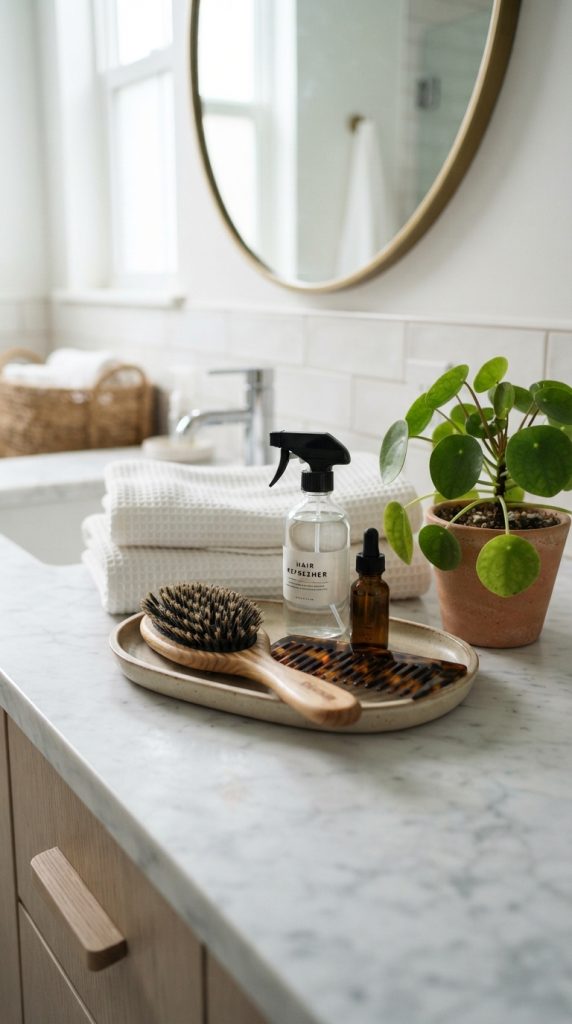
Hairbrushes and combs collect oil, dead skin, dust, and leftover styling products every time you use them. When these tools are not cleaned regularly, they can transfer buildup back onto freshly washed hair. Keeping them clean creates a healthier environment for your scalp while supporting your regular hair care routine. It’s a small task that many people overlook, yet it contributes to a fresher, cleaner feeling after every wash.
Wash combs and brushes every one or two weeks using warm water and a gentle shampoo or mild soap. Remove trapped hair before soaking, then allow everything to dry completely before using the tools again. In my experience, clean brushes not only improve scalp hygiene but also help distribute natural oils more evenly through the hair, leaving strands smoother and easier to manage throughout the day.
Don’t forget accessories like clips, headbands, and hair ties, as they can also collect residue over time. Regular cleaning reduces unnecessary buildup and complements your overall dandruff remedy routine. Healthy hair begins with clean habits, and maintaining your tools is one of the easiest ways to support a healthier scalp without spending extra money on additional products.
Healthy Daily Habits

Healthy hair and a comfortable scalp rarely come from one miracle product. Instead, they’re usually the result of small daily habits practiced consistently over time. Gentle cleansing, proper hydration, nutritious meals, stress management, and regular scalp care all work together to create lasting improvements. If you’ve been wondering how to get rid of dandruff, focusing on sustainable routines will usually provide better long-term results than constantly searching for quick fixes.
Pay attention to how your scalp responds as you introduce each healthy habit. Some people improve quickly with simple hydration, while others benefit more from adjusting their washing routine or improving their nutrition. I’ve seen this work repeatedly because every scalp is unique. Being patient and making gradual changes allows you to discover which habits create the greatest improvement for your own hair and skin.
The goal isn’t perfection—it’s consistency. By combining the ideas throughout this guide into a routine that fits your lifestyle, you’ll give your scalp the best chance to stay balanced, comfortable, and healthy. Over time, fewer flakes, softer hair, and improved confidence become natural rewards for maintaining simple, practical habits that truly support long-term scalp wellness.
Conclusion
A healthier scalp doesn’t happen overnight, but every small step brings you closer to lasting results. By combining these natural habits into a routine that fits your lifestyle, you’ll build healthier hair from the roots up while learning how to get rid of dandruff in a gentle, sustainable way. I’ve seen how simple, consistent routines often deliver better results than constantly chasing quick fixes. If you found these ideas helpful, save this guide to Pinterest for future reference, try your favorite tips this week, and share it with friends or family who are ready to enjoy a cleaner, flake-free scalp with confidence.
