

This is my most interested topic, I was unable to find a complete guide on the internet with comprehensive details. That’s why I was in thought that I should try to write this kind of article and now I am able to complete this article, please read complete and enjoy, waiting for your feedback.
In this complete guide, you’ll learn what a wolf cut really is, how it differs from a shag and mullet, who it suits best, how to ask your stylist for the right version, how much maintenance it requires, and which variation works best for your hair type.
The wolf cut has been one of the most requested haircuts of the decade — equal parts shag, mullet, and modern editorial texture. But because it’s spread so fast through TikTok and Pinterest, most of what’s written about it jumps straight to “here are 20 variations” without ever explaining what the cut actually is, where it came from, or whether it’s genuinely right for you.
This guide is the starting point. It covers the fundamentals — the history, the technique, who it suits, and how to actually get one without regret — before you dive into any of our style-specific guides for your hair type.
What Is a Wolf Cut, Exactly?
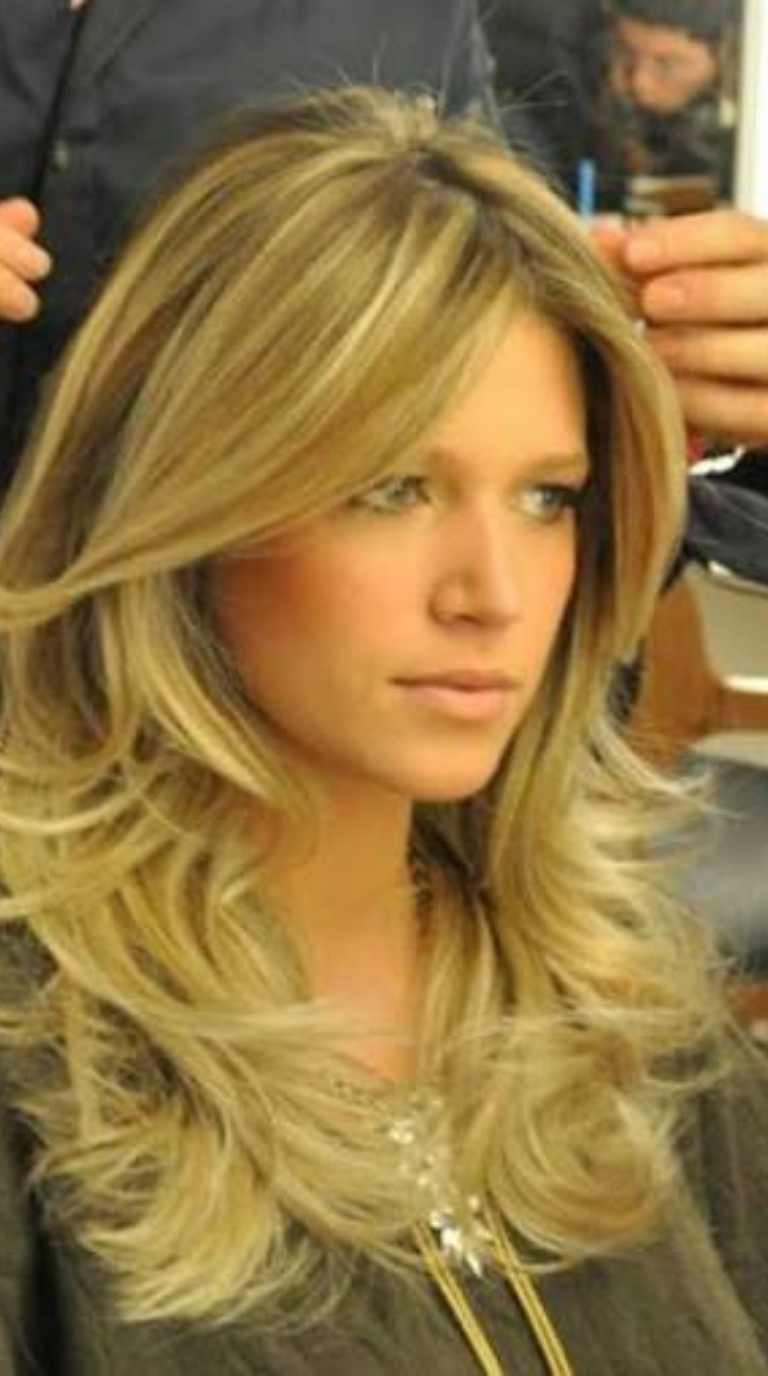
A wolf cut is a layered haircut that combines two very different haircut families: the shag (heavy, choppy layering throughout, popularized in the 1970s) and the mullet (short and voluminous on top, longer at the back and sides). The result is a cut with dramatic volume and texture at the crown, face-framing layers around the front, and length that’s typically retained through the back and sides.
What makes it distinct from a standard shag is the intensity of the crown layering — a true wolf cut has noticeably shorter, choppier layers right at the top of the head, creating a “mane” effect, rather than the more evenly graduated layers of a classic shag.
Where the Wolf Cut Came From
The wolf cut’s DNA traces back through decades of layered haircuts:
- 1970s shag — Jane Fonda’s “Klute” cut and the broader shag trend established heavy, face-framing layering as a mainstream style.
- 1970s–80s mullet — the short-on-top, long-at-back silhouette that the wolf cut borrows its structure from.
- 2020s TikTok revival — the wolf cut as a named trend surged in 2021–2022, largely credited to stylists on TikTok combining shag layering with mullet-length retention and giving it a distinct name and hashtag. It exploded because it photographed well, worked on a wide range of hair types, and required less commitment than a full mullet.
Understanding this history matters practically: when you show a stylist a wolf cut reference photo, “more shag” versus “more mullet” is a genuinely useful way to describe how dramatic you want the crown layering to be.
Who the Wolf Cut Actually Suits
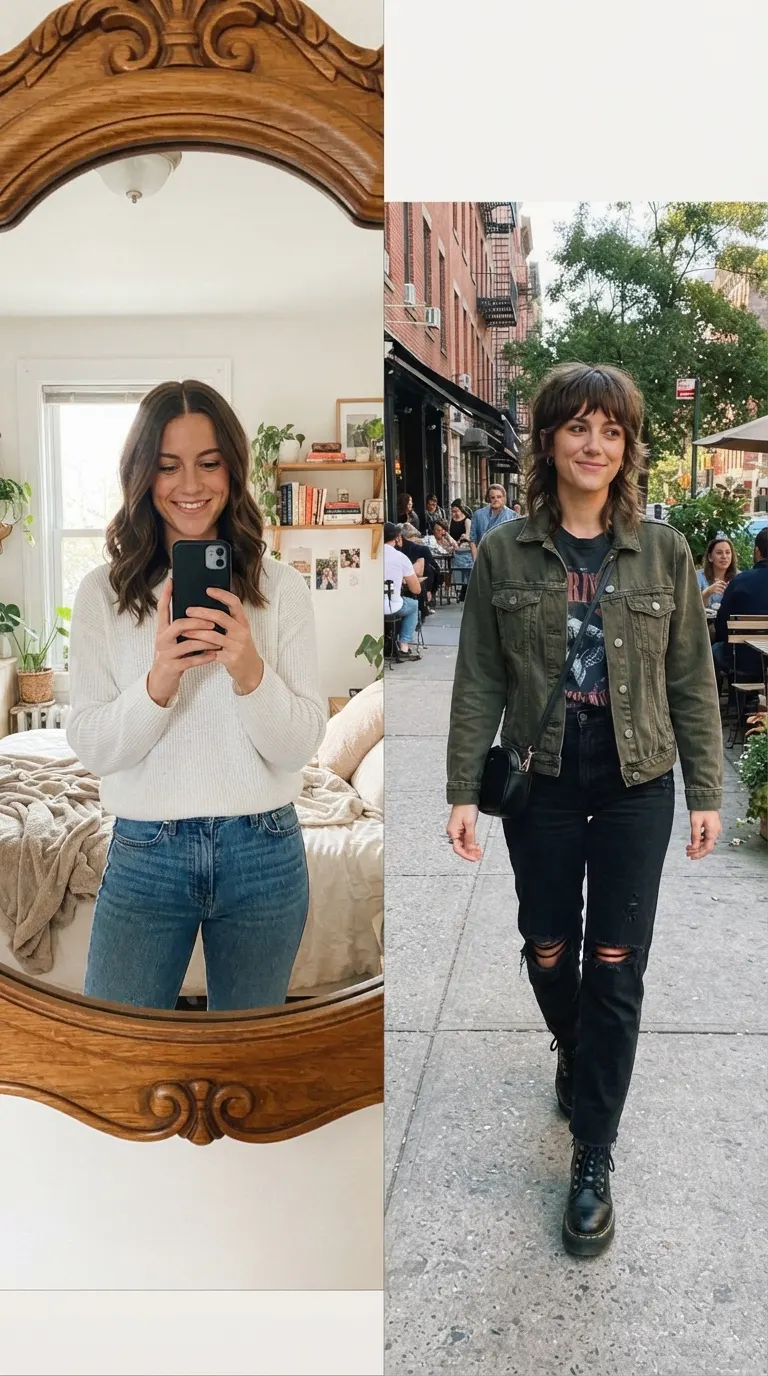
This is the part most “20 ideas” listicles skip, and it’s the most important question before you book anything.
Hair type: The wolf cut works across straight, wavy, curly, and coily hair, but the technique changes significantly by texture (we cover each in our type-specific guides below). Curly and wavy hair tend to show the layering most naturally; straight hair needs more deliberate styling to create the same texture.
Hair density: Medium to thick hair handles the crown layering most easily. Fine hair can absolutely get a wolf cut, but it needs a lighter touch — over-layering fine hair creates thinness rather than texture (see our fine hair guide below).
Length: You need enough starting length to give a stylist room to layer — most stylists recommend at least chin-to-collarbone length before attempting a wolf cut. Going from very short hair straight into a wolf cut usually isn’t possible in one appointment.
Face shape: The crown volume and face-framing layers are generally flattering across most face shapes, but the placement of the shortest layers should be adjusted — higher crown layers elongate round faces, while longer, softer face-framing pieces balance angular faces.
Lifestyle: This is a genuinely important, under-discussed factor. Wolf cuts photograph beautifully but require some styling investment to look intentional rather than simply grown-out — if you want a wash-and-go cut with zero styling time, ask your stylist for a “soft” wolf cut with less dramatic layering (more on this below).
Wolf Cut vs. Shag vs. Mullet: What’s the Actual Difference?
| Cut | Crown Layering | Length Retention | Overall Vibe |
|---|---|---|---|
| Shag | Moderate, evenly graduated | Retained throughout | Soft, feathered, ’70s-inspired |
| Mullet | Minimal on top | Short on top, long at back (dramatic contrast) | Bold, retro, high-contrast |
| Wolf Cut | Heavy, choppy, concentrated at crown | Retained at back and sides | Textured, voluminous, editorial |
If you’re not sure which to ask for, “wolf cut” is the right middle-ground request for most people who want visible layering and volume without going as short on top as a true mullet.
Is a Wolf Cut Right for You?
Choosing a wolf cut is about more than following a trend. The right version should match your hair texture, daily routine, and styling preferences. While the cut is surprisingly versatile, small adjustments make a big difference in how it looks and grows out.
You Might Love a Wolf Cut If…
- You enjoy hairstyles with movement, texture, and natural volume.
- You don’t mind spending 5–10 minutes styling your hair on most mornings.
- You like layered hair that feels lighter without sacrificing overall length.
- You want a haircut that looks modern while still being easy to personalize.
- You prefer hairstyles that grow out more softly than blunt cuts.
In my experience, people who appreciate effortless, slightly undone hairstyles tend to enjoy wolf cuts the most. The layers naturally create shape, so even simple styling often looks intentional.
You May Want to Reconsider If…
- You prefer perfectly sleek, one-length hairstyles every day.
- You rarely style your hair and want a true wash-and-go routine.
- Your hair is extremely fine and you don’t want to lose any visual density.
- You frequently wear tight ponytails or buns for work.
- You’re uncomfortable with noticeable layers around your face.
None of these automatically rule out a wolf cut, but they may mean asking your stylist for a softer version with longer, more blended layers instead of a dramatic editorial shape.
A Soft Wolf Cut vs. A Dramatic Wolf Cut
Many people don’t realize there are different levels of intensity.
A soft wolf cut features longer blended layers, less crown volume, and a more subtle shape. It works well for professional settings and requires less daily styling.
A dramatic wolf cut uses shorter crown layers, stronger texture, and more visible separation between the top and bottom of the haircut. It creates maximum volume but usually needs more styling to maintain its signature shape.
If you’re trying a wolf cut for the first time, I usually recommend starting with the softer version. It’s much easier to remove additional length later than it is to grow short layers back.
How to Style a Wolf Cut Every Day
One of the biggest misconceptions about wolf cuts is that they require complicated styling every morning. In reality, most of the haircut’s shape comes from the layering itself. Styling simply enhances the texture that’s already there.
The amount of effort depends on the version you choose. A soft wolf cut may only need a little texturizing spray and finger styling, while a more dramatic version benefits from extra volume around the crown.
Air-Drying for Natural Texture
If your hair already has natural waves or loose curls, air-drying is often enough to showcase the layers beautifully.
Apply a lightweight leave-in conditioner or curl cream to damp hair, gently scrunch the ends, and allow the hair to dry naturally. This helps the shorter crown layers lift while keeping the longer sections soft and defined.
I’ve noticed that many people actually prefer the slightly lived-in look that develops as a wolf cut air-dries. The texture feels effortless rather than overly polished.
Blow-Drying for Extra Volume
For straighter hair, blow-drying can create the signature wolf cut silhouette much more easily.
Using a round brush or vent brush while lifting the roots helps create volume around the crown without making the ends look bulky. Focus on directing the airflow upward at the roots before smoothing the mid-lengths.
A few minutes of blow-drying usually creates enough lift for the layered shape to become much more noticeable.
Add Texture, Not Weight
Heavy styling products can flatten the movement that makes a wolf cut unique.
Instead, choose lightweight products such as:
- Texturizing spray
- Sea salt spray
- Lightweight mousse
- Volumizing powder
- Flexible-hold hairspray
These products enhance separation between the layers without making the hair feel stiff or greasy.
Refreshing a Second-Day Wolf Cut
One advantage of a wolf cut is that it often looks even better on the second day.
A quick mist of water or leave-in conditioner followed by gentle scrunching can reactivate natural texture. If the crown has flattened overnight, a little dry shampoo at the roots usually restores volume within minutes.
In my experience, second-day wolf cuts often develop a relaxed, editorial look that many people actually prefer over freshly styled hair.
Styling Tips by Hair Type
Different textures respond differently to the same haircut.
- Straight hair: Focus on root lift and texturizing spray for movement.
- Wavy hair: Enhance natural bends with mousse or sea salt spray.
- Curly hair: Define curls using curl cream or gel without disturbing the layered shape.
- Fine hair: Use lightweight volumizing products and avoid heavy oils.
- Thick hair: Add texture while controlling bulk with smoothing creams or lightweight serums.
The goal isn’t to make every wolf cut look identical. It’s to work with your natural texture so the layers create movement instead of fighting against your hair.
Common Wolf Cut Mistakes to Avoid
A wolf cut can look incredible when it’s tailored to your hair, but a few common mistakes can lead to disappointing results. Knowing what to avoid before your appointment can save months of growing your hair back.
Choosing the Wrong Reference Photo
One of the biggest mistakes is bringing a photo of someone with a completely different hair type.
A wolf cut on thick, naturally wavy hair will never look exactly the same on fine, straight hair without additional styling. Instead of focusing only on the finished result, choose inspiration photos from people with hair texture, density, and length similar to your own.
I’ve found that realistic reference photos lead to much better conversations with stylists and more satisfying results.
Going Too Short Too Quickly
It’s tempting to ask for dramatic layers after seeing viral transformations online, but removing too much length in one appointment can be difficult to reverse.
If you’re trying a wolf cut for the first time, ask your stylist to start with softer layering. You can always schedule another appointment to make the cut more dramatic if you love the shape.
A gradual approach usually produces better long-term results than making an extreme change all at once.
Ignoring Your Hair Density
Not every wolf cut should be cut the same way.
Fine hair benefits from carefully blended layers that maintain fullness, while thick hair often needs more internal layering to remove bulk and create movement.
Ignoring hair density is one of the main reasons some wolf cuts feel too heavy or unexpectedly thin after the appointment.
Expecting Zero Styling
Although the wolf cut is easier to style than many people expect, it isn’t completely maintenance-free.
The signature shape comes alive with a little volume at the roots and texture through the layers. Even a few minutes of styling can make a noticeable difference in how polished the haircut looks.
If you rarely style your hair, tell your stylist before the cut so they can create a softer version that works better with your routine.
Skipping Regular Maintenance
Wolf cuts generally grow out gracefully, but they still benefit from occasional maintenance.
Without trims, the shorter crown layers gradually lose definition, making the haircut appear heavier and less textured over time.
Most people find that trimming every 8 to 12 weeks keeps the original shape looking fresh without sacrificing much length.
Trying DIY Layering Too Soon
Social media is full of tutorials claiming anyone can cut a wolf cut at home.
While small touch-ups may be manageable for experienced DIY stylists, creating balanced crown layers requires precision. Uneven layering is difficult to correct and often requires removing even more length during the repair.
If you’re getting your first wolf cut, it’s usually worth having the initial shape created professionally before attempting any maintenance yourself.
Best Products for a Wolf Cut
The right haircut creates the shape, but the right products help maintain it between salon visits. Fortunately, most wolf cuts don’t require an entire shelf of styling products. A few lightweight essentials are usually enough to keep the layers looking fresh and full of movement.
Texturizing Spray
A texturizing spray is one of the easiest ways to enhance a wolf cut without weighing it down.
It separates the layers, adds natural-looking volume, and creates the slightly tousled finish that makes the haircut feel effortless. Spray it lightly through the mid-lengths and ends, then use your fingers to shape the layers instead of brushing them flat.
In my experience, this is often the single most useful product for maintaining the signature wolf cut texture.
Volumizing Mousse
If your hair tends to fall flat, a lightweight volumizing mousse can help lift the shorter crown layers before blow-drying.
Apply a small amount to damp roots and work it through the top section of your hair. As you dry, the mousse helps create fuller volume without leaving the hair crunchy or sticky.
This works especially well for straight or fine hair that needs extra body.
Dry Shampoo
Dry shampoo isn’t just for extending the time between washes.
A light application at the roots instantly refreshes volume, absorbs excess oil, and helps the crown regain its shape after sleeping or wearing hats. Many people find that a wolf cut actually looks better on the second day with a little root lift from dry shampoo.
Lightweight Curl Cream
For naturally wavy or curly hair, a lightweight curl cream helps define the layers without making them stiff.
Apply it to damp hair and gently scrunch the curls before air-drying or diffusing. The goal is to encourage natural movement while keeping frizz under control.
Choosing lighter formulas helps preserve the airy shape that gives a wolf cut its signature appearance.
Heat Protectant
If you regularly use a blow dryer, curling iron, or straightener, don’t skip heat protection.
A good heat protectant helps reduce damage, minimize dryness, and keep the layered ends looking healthier over time. Healthy ends allow the haircut to maintain its movement and texture between trims.
Flexible-Hold Hairspray
The best hairspray for a wolf cut isn’t the strongest one.
Flexible-hold formulas keep the layers in place while still allowing natural movement. Heavy hairsprays can make textured cuts look stiff, which removes much of the relaxed appearance that makes the style so appealing.
How to Actually Get a Wolf Cut: The Salon Conversation
A wolf cut lives or dies on communication with your stylist, because “wolf cut” alone is a broad enough term that two stylists could interpret it very differently. Bring:
- 2-3 reference photos — ideally of a similar hair type and length to yours, not just whatever’s trending.
- A clear direction on intensity — “more shag, less mullet” or vice versa.
- Your styling reality — tell your stylist honestly how much time you spend styling your hair. This should directly affect how dramatic the layering is.
- A conservative starting point if it’s your first wolf cut — you can always go back and add more layers; you can’t put length back once it’s cut.
Maintenance and Growing It Out
- Trims: Every 8-12 weeks to maintain the shape, though the cut is more forgiving of growth than a blunt cut.
- Between-trim styling: A texturizing spray or light mousse on damp hair, scrunched or tousled, keeps the layers looking intentional.
- Growing out: Because the layering is concentrated at the crown, a wolf cut grows out more gracefully than people expect — the shortest layers simply lengthen into the rest of the shape rather than creating an awkward stage, though most people get one “transition” trim around month 4-5.
Wolf Cut Myths vs Facts
The wolf cut has become one of the internet’s most talked-about hairstyles, which also means there’s a lot of misinformation surrounding it. Here are some of the most common myths—and what you should actually expect.
Myth: Wolf Cuts Only Work on Thick Hair
Fact: Thick hair naturally creates more dramatic volume, but a wolf cut can also work beautifully on fine hair when it’s customized correctly.
The key is adjusting the amount of layering. Fine hair usually benefits from softer, longer layers that create movement without removing too much density, while thicker hair can support more aggressive layering throughout the crown.
Myth: A Wolf Cut Is Just Another Mullet
Fact: Although the wolf cut borrows inspiration from the mullet, the two are not the same haircut.
A traditional mullet creates a strong contrast between the short top and the long back. A wolf cut blends those sections together using textured layers, creating a softer and more balanced silhouette that feels easier to wear every day.
Myth: It Requires Hours of Styling
Fact: Most wolf cuts need only a few minutes of styling to look their best.
Depending on your hair type, a little texturizing spray, root lift, or curl cream is often enough to enhance the layers. The haircut itself creates much of the shape, so daily styling is usually about emphasizing the texture rather than completely reshaping the hair.
Myth: Wolf Cuts Don’t Work in Professional Settings
Fact: The intensity of a wolf cut is completely customizable.
A dramatic version creates a bold editorial look, while a softer wolf cut blends naturally into professional workplaces and more conservative environments. Your stylist can adjust the layering to match both your personal style and your lifestyle.
Myth: Growing Out a Wolf Cut Is Difficult
Fact: Compared with many highly structured haircuts, a wolf cut often grows out surprisingly well.
As the shorter crown layers gain length, they gradually blend into the rest of the haircut instead of creating a harsh growing-out phase. Most people only need occasional shaping trims to keep the overall silhouette balanced.
Myth: Every Wolf Cut Looks the Same
Fact: No two wolf cuts are exactly alike.
Hair texture, density, length, face shape, and personal styling all influence the final result. That’s why two people can ask for a wolf cut and leave the salon with noticeably different hairstyles that both suit them perfectly.
How to Ask Your Stylist for a Wolf Cut
Knowing what to ask for is just as important as deciding to get the haircut. Even though the wolf cut is now widely recognized, every stylist has their own interpretation of it. Clear communication helps ensure you leave with a haircut that matches your expectations rather than a completely different layered style.
Bring Multiple Reference Photos
Instead of relying on a single inspiration picture, bring two or three photos that show the style from different angles.
Try to choose people with a similar hair type, density, and length to your own. This gives your stylist a much better understanding of the shape, volume, and layering you’re hoping to achieve.
I’ve noticed that reference photos become much more useful when you explain what you like about each one instead of simply saying, “I want this haircut.”
Explain How Dramatic You Want the Layers
Not every wolf cut has the same amount of layering.
Tell your stylist whether you prefer:
- A soft, blended wolf cut
- A medium-textured wolf cut
- A dramatic wolf cut with strong crown volume
This helps your stylist customize the haircut instead of guessing how bold you want the final result to be.
Discuss Your Daily Styling Routine
Your styling habits should influence how the haircut is created.
If you enjoy blow-drying or styling your hair each morning, your stylist may recommend shorter crown layers for extra texture and volume.
If you prefer a low-maintenance routine, they can leave the layers slightly longer so the haircut remains easier to manage between washes.
Mention Your Hair Goals
Think beyond today’s appointment.
Tell your stylist whether your goal is to:
- Keep as much length as possible
- Add noticeable volume
- Remove bulk from thick hair
- Make fine hair appear fuller
- Enhance your natural curls or waves
- Grow your hair longer while adding movement
These details help determine where the layers should begin and how much weight should be removed.
Ask About Maintenance Before You Leave
Before your appointment ends, ask how often your specific wolf cut should be trimmed.
Every haircut grows differently depending on the layering and your hair’s natural growth rate. Understanding the recommended maintenance schedule makes it much easier to keep the style looking intentional instead of overgrown.
Wolf Cut Inspiration by Hair Type
One of the biggest reasons the wolf cut has remained so popular is its versatility. While the basic concept stays the same, the final result can look completely different depending on your natural hair texture, density, and length. Choosing the right variation helps the haircut feel customized instead of following a one-size-fits-all trend.
Curly Hair
Natural curls add instant volume and make the wolf cut appear fuller with very little styling. A curl-friendly wolf cut focuses on carefully placed layers that enhance definition without creating unwanted bulk or uneven weight.
If you have curly hair, working with a stylist experienced in textured cutting techniques can make a noticeable difference in how the layers fall and grow out.
→ Read our complete guide to Wolf Cut Curly Hair for styling ideas, maintenance tips, and inspiration.
Fine Hair
A wolf cut can make fine hair appear thicker when the layering is balanced correctly.
Instead of removing too much weight, the goal is to create movement while preserving fullness. Softer crown layers and blended ends usually provide the most flattering result for finer textures.
→ Explore our Wolf Cut Fine Hair guide to learn how to add volume without sacrificing density.
Long Hair
Long hair creates one of the most dramatic versions of the wolf cut because it combines textured crown layers with flowing length through the back.
This variation offers movement while allowing you to keep most of your overall length, making it a popular choice for anyone wanting a noticeable change without committing to shorter hair.
→ See our Wolf Cut Long Hair collection for layered inspiration and styling ideas.
Teens
The wolf cut has become especially popular among teens because it feels modern, expressive, and easy to personalize.
Whether worn with curtain bangs, soft layers, or bold texture, younger wearers often adapt the cut to reflect their own personality while still keeping it manageable for school and everyday life.
→ Browse our Wolf Cut for Teens guide for age-appropriate inspiration and styling ideas.
Wolf Cut Timeline: What to Expect After Your Haircut
A wolf cut doesn’t look exactly the same every week. As the layers grow, the haircut gradually changes shape, often becoming softer and easier to style. Knowing what to expect helps you decide when to refresh the cut or simply enjoy the natural evolution.
The First Two Weeks
During the first couple of weeks, the crown layers appear their shortest and most defined. Volume is at its highest, and the face-framing pieces create the signature wolf cut silhouette.
Some people need a few days to adjust because the haircut has much more movement than a traditional layered cut.
After One Month
By the end of the first month, the layers begin settling into a more natural shape.
Daily styling usually becomes easier as the hair starts to move more naturally, while the overall silhouette remains clearly recognizable as a wolf cut.
After Two to Three Months
This is when many people decide whether they want to maintain the original look or allow the haircut to soften.
The crown gains length, reducing some of the dramatic lift, while the face-framing layers blend more smoothly into the rest of the hair.
I’ve noticed this stage is often a favorite because the haircut still has texture while requiring less styling than it did immediately after the appointment.
After Four to Six Months
By this stage, the wolf cut begins transitioning into a softer layered hairstyle.
The shorter crown sections continue blending into the overall length, creating a more relaxed appearance. Many people choose a light maintenance trim around this time to restore the original shape without removing significant length.
Long-Term Maintenance
If you enjoy the bold layered look, regular trims every 8 to 12 weeks help preserve the signature silhouette.
If you prefer a softer, more natural appearance, you can simply allow the haircut to grow, occasionally trimming split ends while the layers gradually blend together.
One reason the wolf cut remains so popular is that it generally grows out more gracefully than many highly structured hairstyles.
Wolf Cut Checklist: Before You Commit
Before booking your appointment, take a few minutes to consider whether a wolf cut fits your hair goals, styling routine, and expectations. This simple checklist can help you avoid surprises and feel more confident about your decision.
✓ I understand that there are different types of wolf cuts.
Not every wolf cut looks the same. Some are soft and blended, while others have dramatic crown layers and bold texture. Decide which version best matches your personal style.
✓ I have realistic inspiration photos.
Choose reference photos featuring people with hair similar to yours in texture, density, and length. This gives your stylist a much clearer idea of the result you’re hoping to achieve.
✓ I know how much styling I’m willing to do.
Some wolf cuts need only a few minutes of styling, while others benefit from regular blow-drying or texturizing products. Be honest about your daily routine before choosing the level of layering.
✓ I’ve considered how the haircut will grow out.
A wolf cut changes as the layers gain length. If you enjoy evolving hairstyles, you’ll probably appreciate the growing-out process. If you prefer a haircut that always looks exactly the same, plan on regular maintenance trims.
✓ I’m choosing the cut that suits my hair—not just a trend.
The best wolf cut isn’t necessarily the one that’s going viral on social media. It’s the version that’s customized for your hair type, face shape, and lifestyle.
In my experience, the happiest people are usually the ones who treat the wolf cut as a personalized haircut rather than trying to copy someone else’s result exactly.
Frequently Asked Questions
Does a wolf cut work on short hair? Not immediately — most stylists want at least chin-to-collarbone length to create the layering. If your hair is shorter, ask your stylist about a “wolf cut growth plan” — a series of cuts that build toward the full style as your hair grows.
Is a wolf cut high-maintenance? It depends entirely on how dramatic the layering is. A soft wolf cut with subtle layering is genuinely low-maintenance; a dramatic, heavily-layered version needs more regular styling to look intentional rather than unkempt.
Can I do a wolf cut myself at home? Light maintenance trims between salon visits are reasonable for confident DIYers, but the initial cut — especially the crown layering — is genuinely difficult to do well on yourself and is worth a professional appointment, particularly the first time.
Explore the Wolf Cut for Your Hair Type
Now that you understand the fundamentals, here’s where to go next based on your specific hair:
- Wolf Cut for Curly Hair — dry-cutting technique, curl-type breakdown, and 20 curly-specific ideas
- Wolf Cut for Fine Hair — how to add volume without over-thinning
- Wolf Cut for Long Hair — trendy layered style ideas for elegance look
- Wolf Cut for Teens — teens trendy hair ideas you need now
- How Wolf Cut Actually Grow — from month 1 to month 6 growth
The Bottom Line
The wolf cut isn’t one specific haircut — it’s a flexible framework that adapts to your hair type, density, and lifestyle. The mistake most people make is going in with just a screenshot and no real understanding of what makes the cut work. Understand the shag-versus-mullet spectrum, be honest about your styling habits, and start conservative if it’s your first time — then use the type-specific guide above that matches your hair.